Hello Natural Health People!

 Hi, I'm Sammy, I'm the owner of this website. I'm passionate about natural health and strive to only include helpful and reliable information. Read more about this website here. Natural remedies are often the cheapest safest way to treat a health concern. However, it is wise to check with your doctor first. I encourage you to have a good look around this website to find topics of interest.
Our Facebook Page
Home Remedies Log on Facebook731 people like Home Remedies Log.Facebook Fans
The Scars category is a sub-category of the Skin conditions category.
Scars - What Are They?
A scar is a part of the body containing fibrous tissue that has replaced the normal skin as a wound has healed, leaving a distinct mark or series of them. The development of scar tissue and scars themselves is a natural part of the body’s healing process. Also almost everyone has some form of the condition.
What are the types of scars?
The most common type of scar tissue are hypertropic scars and atrophic scars. Hypertropic scars are scars that appear red and raised above the surface of the skin, usually resulting from the closing of a wound. A common example of the hypertropic type is the scar left behind from a Caesarean Section (or c-section) birth. Atrophic scars on the other hand are almost opposite in appearance, leaving a sunken “hole” or recess in the skin, common examples are the scars left behind from chicken pox or acne.
Two other types of scars are keloid scars and “stretch marks”. Keloid scars are benign tumourous scars that can resemble hypertrophic scars with their raised red appearance, however are usually round and can multiply quite quickly. Stretch marks is a type of affliction that occurs when weight is gained rapidly. The most common example is through pregnancy, although excessive muscle or fat gain can also result in stretch marks. These scars with their long, thin line of tissue are often frustrating for women after pregnancy as it can sometimes lead to self esteem issues.
What treatments are available?
A variety of surgical or laser based treatments are available with varying success rates, depending on the type of scar being treated. This option is usually expensive and not covered by a majority of health insurance companies. There are also a number of home remedies available that are generally very inexpensive to produce and have a similar success rate to that of surgery or laser.
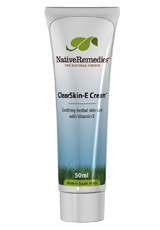
Get More Information on ClearSkin-E Cream - for Itchy, Inflamed, Red, Dry and Flaky Skin.