Hello Natural Health People!

 Hi, I'm Sammy, I'm the owner of this website. I'm passionate about natural health and strive to only include helpful and reliable information. Read more about this website here. Natural remedies are often the cheapest safest way to treat a health concern. However, it is wise to check with your doctor first. I encourage you to have a good look around this website to find topics of interest.
Our Facebook Page
Home Remedies Log on Facebook730 people like Home Remedies Log.Facebook Fans
Hepatitis - A Basic Overview of Types and Symptoms
Hepatitis is an inflammation and swelling of the liver. It’s generally caused by damage from the effects of alcohol, poisonous substances and viruses, attack from bodily immune cells as well as some medications’ overdose, e.g. acetaminophen. Hepatitis resulting from viral infections is generally named after the virus causing it such that there is Hepatitis A, B, C and D caused by Hepatitis A, B, C and D viruses respectively.
Signs and Symptoms
Hepatitis A
Symptoms include fatigue, dark urine, clay-colored or pale stools, nausea, vomiting, jaundice and loss of appetite. This condition has no treatment, therefore, it’s highly advisable that you avoid factors that may lead to it.
Hepatitis B
On the other hand, Hepatitis B usually has no symptoms in the first few weeks. The body may be able to fight off the virus and the general illness feelings that one may experience go away after a few weeks. However, if the body is unable to fight off the virus, the victim develops chronic hepatitis B that’s accompanied by few symptoms that may not show for almost six months since the infection. Symptoms include fatigue, loss of appetite, fever, jaundice, yellow skin as well as joint and muscle aches. It’s worth noting that chronic hepatitis rarely has symptoms even though the liver damage is already there.
Hepatitis C
Similarly, Hepatitis C has no symptoms too. Signs will only be demonstrated once cirrhosis has set in which include upper abdominal pain, pale or clay-colored stools, fatigue, itching, fever, dark urine, nausea, vomiting, abdominal swellings and jaundice.
Hepatitis D
Hepatitis D only infects victims of hepatitis B. Symptoms are similar to those demonstrated by the other types of hepatitis. They include fatigue, diarrhea, loss of appetite, light colored stool, dark urine, muscle aches, sore throat, nausea and vomiting.
Home Remedies for Treating Hepatitis
They include taking licorice which has antiviral capabilities, though caution should be taken for people with high blood pressure. Similarly, the herb should not be taken for more than 7 days in a row. Schizandra is another herb that’s capable of protecting the liver, Scutellaria is Chinese herb that’s a highly powerful antioxidant and turmeric is an anti-inflammatory that can be used to help treat the condition. In addition, eating a healthy diet composed of raw vegetables and lots of fruits also helps in fighting hepatitis, as is avoiding consumption of fatty foods and limiting proteins intake.
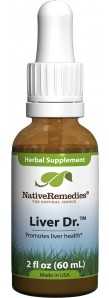
Get more info on Liver Dr. to improve functioning of the liver and promote health.