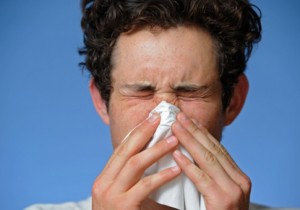

A lot of people suffer from pollen allergy, but most of them do not even know that what they are exhibiting are pollen allergy symptoms. More often than not, they confuse these symptoms with those of common cold. The most effective way of treating these symptoms is by using natural allergy remedies as they are […]
Read More...SEARCH THIS SITE!
Hello Natural Health People!

 Hi, I'm Sammy, I'm the owner of this website. I'm passionate about natural health and strive to only include helpful and reliable information. Read more about this website here. Natural remedies are often the cheapest safest way to treat a health concern. However, it is wise to check with your doctor first. I encourage you to have a good look around this website to find topics of interest.
http://homeremedieslog.com
-

Free Newsletter
Top Posts & Pages
-
Home Remedies Quiz
Start Quiz
StartCongratulations - you have completedHome Remedies Quiz
. You scored %%SCORE%% out of %%TOTAL%%. Your performance has been rated as %%RATING%% Please refresh this page to do this quiz again.
Your answers are highlighted below.Question 1Which of the following is an effective home remedy for treating acid reflux?ARaw Potato JuiceBApple Cider VinegarCEating Larger MealsDChocolate MilkEChili PeppersQuestion 1 Explanation:(The Answer is A) Raw Potato Juice: This juice has been used since centuries for making the stomach more alkaline.Question 2Which of these is an effective home remedy for treating acne?ABanana SkinBCheeseCTea Tree OilDApple CiderEEgg YolksQuestion 2 Explanation:(The Answer is C) Tea tree oil – This is highly effective oil that contains Terpenes that fights off all types of bacteria. It also has anti fungal, and anti septic properties.Question 3Which one of the following beverages is a good remedy against asthma symptoms?ACoco ColaBOrange JuiceCMilkDTeaECoffeeQuestion 3 Explanation:(The Answer is E) Coffee, through its caffeine content, acts in the same way as over-the-counter asthma medications. It helps to open the air ways of an asthmatic patient.Question 4Which one of these foods is a natural remedy for bad breath?AOnionBYogurtCGarlicDOrangeEChickenQuestion 4 Explanation:(The Answer is B) Yogurt actually contain live cultures that eliminate the bacteria that causes bad breath, so when you eat yogurt, your bad breath will significantly disappear.Question 5Which of the following foods can be consumed to naturally reduce high blood pressure?ARaisinsBBananaCWatermelonDDark chocolateEAll of the aboveQuestion 5 Explanation:(The Answer is E) All of these foods have been proven to naturally reduce high blood pressure!Question 6Which one of the following herbs is a proven home remedy for fighting off colds?ABasilBEchinaceaCCinnamonDHawthornEPassionflowerQuestion 6 Explanation:(The Answer is B) Echinacea has been used for thousands of years to treat the symptoms of the common cold. It is thought to be an excellent immunity booster.Question 7Which one of these herbs is known to be a natural remedy for depression?AUmckaloaboBGoldensealCSt. John’s WortDShark CartilageEPeriwinkleQuestion 7 Explanation:(The Answer is C) St. John’s wort (Hypericum perforatum) has been used for centuries for mental health conditions and is widely prescribed for depression in Europe.Question 8Which fruit is recommended as an effective natural remedy for diarrhea?ACerealBWalnutsCCelleryDBananaELemonQuestion 8 Explanation:(The Answer is D) Intake of bananas apples, and blueberries is strongly recommended for treating diarrhea because they can improve and tighten the stools.Question 9Which one of the following is a recognized natural remedy for gout?AGarlicBBelladonnaCAcaiDPotatoEDandelionQuestion 9 Explanation:(The Answer is A) Garlic is one of the best home remedies for gout. It removes the excessive uric acid from the body.Question 10Which one of these herbs is know to be a natural remedy for headaches?AYohimbeBCinnamonCPoison IvyDMa HuangEHorsetailQuestion 10 Explanation:(The Answer is B) Cinnamon is one of the best home remedies for headaches if you are suffering from headaches due to your exposure to the cold weather.Once you are finished, click the button below. Any items you have not completed will be marked incorrect. Get ResultsThere are 10 questions to complete.←List→ReturnShaded items are complete.1 2 3 4 5 6 7 8 9 10 End ReturnYou have completedquestionsquestionYour score isCorrectWrongPartial-CreditYou have not finished your quiz. If you leave this page, your progress will be lost.Correct AnswerYou SelectedNot AttemptedFinal Score on QuizAttempted Questions CorrectAttempted Questions WrongQuestions Not AttemptedTotal Questions on QuizQuestion DetailsResultsDateScoreHintTime allowedminutessecondsTime usedAnswer Choice(s) SelectedQuestion TextAll doneSee your doctor! You really should learn some home remedies.Need more practice! Natural is the way my friend.Keep trying! You know some home remedies but there's a ton more out there!Not bad! You know quite a few home remedies.Good work! You know home remedies quite well!Perfect! You know home remedies very well! Video Testimonials
Must See Documentary Page
-
Recent Posts
- 4 Ways to Detoxify Your Body and Feel Better July 31, 2013
- Take Advantage Of Home Remedies for Runny Nose July 29, 2013
- You Can Beat Chronic Migraine With Natural Cures - Here’s How! July 14, 2013
- Help! How Do I Get Rid Of My Unsightly Varicose Veins?! July 7, 2013
-
Our Facebook Page
715 people like Home Remedies Log.Facebook Fans