Home remedies that are natural are always the best choice for yellow diarrhea or in fact any type of diarrhea. If you indeed do suffer from this, please read this article thoroughly and make an appointment to see your doctor if the symptoms persist.

Despite this humorous image, diarrhea is not a laughable matter.
What is Diarrhea?
Bright green or yellow colored diarrhea is characterized by the excretion of watery, loose and bright yellow stools for at least three times in a day. Meanwhile, green diarrhea is a term used to describe the passing of watery, loose and liquid green stools which is mainly triggered by an excessive intake of green leafy vegetables like lettuce, spinach, broccoli and cabbage. A pale stool can also be caused by a rapid transit of watery stools from the small intestine to the large intestine.
Some people experience diarrhea after eating certain foods, while some others experience diarrhea after every meal.
Diarrhea is a sort of natural defense system that helps remove all the toxins from your body. Stopping it abruptly can only lead to future complications. This is why it is better trying out natural and home remedies for diarrhea to gradually treat the condition instead of abruptly stopping it using over the counter drugs.
When an individual suffers from diarrhea after eating, it may already indicate a more serious digestive problem.
Diarrhea can be defined as an increase in the frequency of bowel movements or as a change in the form of stool. It can also be off-color such as green or yellow. However, it has to be differentiated from four other conditions: incontinence of stool, rectal urgency, incomplete evacuation and bowel movements immediately after eating a meal.
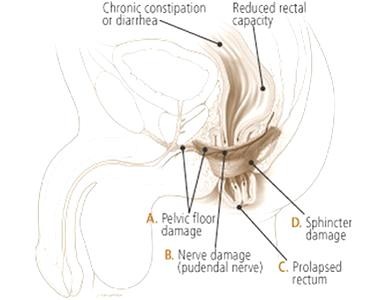
diagram of chronic diarrhea
- Increase in the Frequency of Bowel Movements: The maximum number of bowel movements among healthy individuals is three in a day. Therefore, absolute diarrhea can be defined as more bowel movements than normal and relative diarrhea as more than usual.
- Looseness of Stool: It is difficult to define diarrhea on the basis of consistency of stool as it keeps changing based on the diets that healthy individuals have each day. People who eat vegetables in large quantities will pass looser stools compared to those who eat less of vegetables. However, watery stools are not normal and can be considered diarrheal.
Causes of Diarrhea
Diarrhea can be in response to many acute and chronic conditions. In some cases, there may not be a known cause at all and diarrhea will pass of without any side effects.
However, chronic diarrhea along with other symptoms may be a sign of a serious health condition. So, what causes diarrhea?
- Irritable Bowel Syndrome: Irritable bowel syndrome (IBS) may be a reason for experiencing chronic diarrhea after eating meals. People suffering from IBS may experience bouts of diarrhea and constipation. Studies indicate that 20 percent of the adults suffer from IBS. The direct cause of IBS is not known.
- Gastroenteritis: Infections of the gastrointestinal tract caused by microorganisms such as bacteria, viruses or parasites can lead to diarrhea. Gastroenteritis is diagnosed by doing a stool culture test. Improper hygiene, contact with infected persons and consumption of spoiled foods are some of the reasons for contracting infections. Consumption of contaminated water, raw foods, shell fish and unpasteurized milk can also cause gastrointestinal infections.
- Disorders of the Autoimmune System: Autoimmune disorders, including Crohn’s disease and ulcerative colitis, are also known to cause chronic diarrhea after eating a meal. The major factors that contribute to autoimmune disorders are genetic makeup and lifestyle.
- People with gluten or lactose intolerance can also experience diarrhea after eating anything. It is the body’s reaction to get rid of a foreign material.
Causes of Yellow Colored Diarrhea

diarrhea illustration.
Clinical studies show that yellowy watery diarrhea is actually caused by the failure of the liver to produce sufficient amounts of bile because of a serious liver dysfunction. Bile is responsible for the change of color of the stool from bright yellow to brown. The failure of the liver to produce sufficient amounts of bile leads to the excretion of stools which can actually range from bright yellowish-brown to a yellow-gray color.
This type of watery diarrhea can also be triggered by a bacterial, parasitic or viral infection acquired from contaminated water and foods. Powerful medications used in chemotherapy such as antibiotics and laxatives can also trigger the onset of this yellowish colored diarrhea. Surgeries, radiation and liver diseases can also cause it.
Symptoms
Yellow diarrhea is often accompanied by symptoms such as extreme tiredness, cramps and a feeling of malaise. Weakness can also be experienced by the victim. Other indications include dizziness, frequent thirst, tearless crying, headaches and decreased urination.
Chronic yellow liquid diarrhea which lasts for at least four weeks causes the victim to dehydration due to a significant loss of potassium and electrolytes. The most common symptoms of dehydration which the victims usually experience include irritability, dark colored urine, fever, confusion, sunken eyes, dry skin, irritability, dry mouth and excessive thirst.
However, if the condition starts suddenly without the presence of signs other than watery, loose and off-color stools, it can be caused by a viral or bacterial infection that have been picked up from a contaminated food or water.
Treatment for Diarrhea
In order to understand the treatment for diarrhea, it is important to consider the two situations, acute and chronic diarrhea.
Medications may be essential in some cases.
Natural home remedies for diarrhea treatment are also becoming popular.
- Acute Diarrhea: In many cases of acute diarrhea after eating, replacement of lost fluids through oral re-hydration may be the only treatment required. The body may just be reacting to an infection or to ingestion of bad food. Once the body gets rid of the cause of infection, the bowel movements will become normal. Some people may find medications like Imodium (loperamide) and bismuth subsalicylate to be beneficial. The most common pill used to stop diarrhea is Imodium, especially in situations such as traveler’s diarrhea. This pill works by slowing down the gut and decreasing the bowel movements. This makes the stool less watery. One of the recommended home remedies to stop diarrhea is consumption of pro-biotic yoghurt. It relieves the symptoms of diarrhea in some people reasonably fast. Absorbents like attapulgite and polycarbophil and bismuth compounds are also used in the treatment of acute diarrhea.
- Chronic Diarrhea: In order to treat chronic diarrhea after eating, it is important to determine the cause. If infection is the cause, then antibiotics may be of help. Generally, antibiotics are used when people have severe and persistent diarrhea, additional debilitating diseases, and stool testing reveals serious bacterial infections. However, it is difficult to treat diarrhea not caused by an infection. Sometimes people may have to go for long-term medication or even a surgery may be recommended in certain cases. People with lactose intolerance, celiac disease, or irritable bowel syndrome may have to modify their diets. Oral rehydration is important to people suffering from chronic diarrhea as in the case of acute diarrhea. People suffering chronic diarrhea may be advised to avoid beverages containing caffeine, alcohol and maintain a well-balanced nutrition to enable quick recovery.

Treatment and Prevention for Yellow Type Diarrhea
Dehydration is one of the leading dangers of watery diarrhea. When the condition lasts for more than four days, treatment must immediately be sought after because it can already indicate a more serious digestive problem.
The usual remedies and treatments for this bright yellow liquid diarrhea include the use of;
- acidophilus,
- apple cider vinegar,
- Bismuth subsalicylate,
- folic acid and
- Loperamide hydrochloride.
Intake of bananas apples, and blueberries is strongly recommended because they can improve and tighten the stools.
Instead of solid foods, the victim is advised to take clear soups to let the digestive system rest from digesting hard foods.
Fiber-rich foods should also be taken excessively because they regulate and promote a normal bowel movement by helping the body absorb substantial amount of fluids.
No matter what the cause is, intake of excessive clean fluids that contain electrolytes should be observed. Several small meals should be taken frequently however, the avoidance from foods that contain alcohol, caffeine and fats should be observed because they can aggravate the condition. Sodas, gelatin and fruit juices should also be avoided because they contain substances that can trigger its onset.

How to Stop Diarrhea Using Alternative Therapies
- Alternative Therapies: Research studies indicate that zinc supplementation is beneficial to children, six months or older, suffering from diarrhea in developing countries. Foods and supplements containing beneficial bacteria may be helpful in treating diarrhea, particularly viral diarrhea in children. Beneficial bacteria that live in the digestive tract help digest the food and provide protection against harmful bacteria. Probiotics contain strains of living bacteria that are similar to the ones normally found in digestive system. Yogurt, cheese, miso and tempeh, are some of the safe probiotic foods. However, side effects may include gas and bloating. Homeopathic remedies include the following treatments depending on the specific symptoms:
- Arsenicum: for people suffering from diarrhea with nausea, extreme thirst and weakness.
- Chamomilla: good for children, especially if they are oversensitive and inconsolable.
- Sulphur: for people suffering from diarrhea in the morning, changeable stools, or diarrhea alternating with constipation
Natural Home Remedies for Diarrhea: Taking some of the dietary supplements mentioned below, when suffering from diarrhea, can be helpful:
- One teaspoon of food-grade clay with a glass of water absorbs and binds wastes in the intestines.
- Multivitamin and multi-mineral supplements to compensate for the loss of large amounts of the electrolytes.
- One teaspoon of acidophilus powder thrice daily re-establishes the healthy balance of intestinal flora.
- Bromelain or papain tablets chewed after each meal will relieve symptoms of diarrhea caused by the deficiency of digestive enzymes.
- Addition of fiber to the diet helps add bulk to stools and relieve watery diarrhea. Banana is a good food to eat after diarrhea.
- Ingestion of one tablespoon of pectin thrice daily provides protective coating over the irritated intestinal lining.
- Tea made with herbs such as mulletin, red raspberry leaf or meadowsweet has been found to be useful in alleviating diarrhea symptoms. Two other effective anti-diarrheal herbs are slippery elm and marshmallow root.
- Essential oils like peppermint oil are anti-spasmodic and applying them on the abdomen for about 10 - 15 minutes will also be of help.
Special Natural Remedy for Diarrhea
CLICK IMAGE OF BOTTLE BELOW to learn more about Triple Complex Digestion Tonic!

This girl tells us about our poo and what it means by what color, texture etc… disgusting but done in good taste and important to know about for our good health. Enjoy!
Identify causes of diarrhea, such as the flu or stomach viruses, with tips from a licensed dietitian in this free video on health and nutrition.
Closing Thoughts
Summarizing, there are a number of approaches to treating diarrhea of these types. People have the option to choose the approach that they feel will be beneficial to them. Of course, people should check with their physicians before deciding on the kind of treatment they would like to follow.
Ebooks Related to Diarrhea

Get this free ebook on diarrhea right now. Click here.
Get one home remedy ebook delivered to your inbox each week for free. Simply fill in the form to join our free newsletter. Or buy my personal book “The Big Book of Home Remedies” and get access to all 418 ebooks to download immediately.