Introduction
Hi, I am  Dr. Muzammil Irshad (MBBS, Punjab, Pakistan), working as a house officer at Nishtar Medical College and Hospital Multan. I am a medical writer and I have been writing medical papers, original articles, proposals, theses/dissertations, case studies, review articles, meta-analyses, systematic reviews and brief communications for the last two years. From my point of view, I must say that “Nothing is better than the Nature or something natural”. In the same way, natural medicine or food offers the best treatment to our illnesses. Moreover, an axiom “Food is the best Medicine” demonstrates everything I mean. I would like to go through a little introduction to traditional medicine or ethnomedicine and its importance in our lives here.
Traditional Medicine or Ethnomedicine
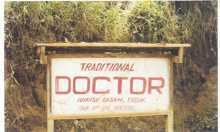 Traditional medicine or Ethnomedicine is the subdivision of ethnobotany that deals with the traditional medicines. It does not only include Traditional Chinese Medicine, Ayurveda and Siddha but also focuses on the knowledge of those preparations which are not available in the written forms but transferred from mouth to mouth [1]. Scientifically, ethnomedicine is characterized by strong anthropological or biomedical approach. Anthropological approach focuses on the perception and use of traditional medicines while biomedical approach intends to discover new therapeutic molecules and focuses on the research studies [2]. The knowledge of effectiveness of ethnomedicine is limited and requires more discoveries and research. However, acupuncture, and some manual therapies and herbal medicinal preparations have been reported effective for specific conditions [3].
WHO
 In 2008, World Health Organization (WHO) described traditional medicine as “Traditional medicine is the sum total of knowledge, skills and practices based on the theories, beliefs and experiences indigenous to different cultures that are used to maintain health, as well as to prevent, diagnose, improve or treat physical and mental illnesses [4].” Professor Andrea Pieroni (Editor-in-chief of journal of Ethnobiology and Ethnomedicine) quotes ethnobiology and ethnomedicine as “Ethnobiology and ethnomedicine are exciting and revolutionary multidisciplinary fields at the center of many current debates on culturally appropriate management of the biodiversity and the human and animal health [5].”
Medicinal Plants
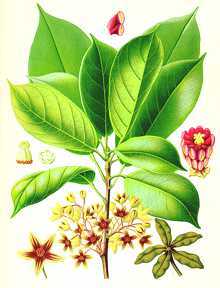 Regarding ethnomedicine, medicinal plants are of prime importance among all nations for tens, if not hundreds and thousands of years. It is crystal clear that people always depended on plants for their basic needs such as food, shelter, warmth and medicine, and thus learned a lot about plants and their uses. This knowledge of plants continued to be transferred from tribe to tribe and nation to nation, and eventually expanded over the whole world. Looking at the recent records, Arabs were famous for having vivid interest in plants. On their journey to the East, Arabs collected useful information about local plants’ use, and also brought those plants to their indigenous area. Similarly, the Romans employed local herbalists for the services of their troops during their crusade through Europe. Then as well, the Spanish conquistadores collected details of the plants used by the indigenous people they came across in the New World [6].
Medicinal plants are in the use of ethnomedicine since ancient times and are still an important source of ingredients used by many populations and in the modern health care system around the world [7,8,9]. It has been estimated that about 70-80% of people all over the world rely on ethnomedicine in some way to meet their health care needs [10,11]. Outside its indigenous culture, traditional medicine adopted by other areas of the world is also termed as alternative or complementary medicine. Traditional medicines includes practices like Ancient, Ayurvedic, Herbal, Iranian, Islamic, Siddha, Unani and traditional Chinese medicine, Acupuncture, Ifa, Muti and other medical knowledge and practices all over the world. Many people rely on the herbal medicines as they consider them natural and therefore safe to use. However, traditional medicines can harm the body if they are of poor quality or handled inappropriately during their preparation [4]. That is why, strong awareness and collaboration among the providers of ethnomedines and other medicines are required. Now-a-days, traditional medicine is practiced in the form of home remedies.

 Hi, I'm Sammy, I'm the owner of this website. I'm passionate about natural health and strive to only include helpful and reliable information.