Visit our Facebook page

Biofeedback Therapy
The Alternative Medicine Known as Biofeedback Therapy
Introduction:
Biofeedback is a technique in which people are taught to regulate their own bodily functions by using signals from electronic equipment. This article examines a number of useful points regarding biofeedback techniques. Topics covered include how biofeedback works, who biofeedback can help and whether it is safe. It also describes a typical treatment. This article can be broken up and used in smaller sections or as one large informative piece.
Biofeedback is a technique that teaches an individual to self-regulate biological functions that are not normally controlled voluntarily by conscious thought. Its purpose is to help people improve their health and well-being. This is accomplished by using electronic equipment to monitor how certain functions such as skin temperature, respiration, heart rate or muscle tension alter in different conditions.
The study and use of biofeedback techniques began in the 1960′s in the USA when scientific experiments revealed that animals could learn to modify their normal involuntary biological functions, such as digestion, skin temperature or heart rate.
Soon people began using medical equipment to monitor their own involuntary reactions to see if they could learn how to influence their body functions. It became clear that humans could learn to affect their responses fairly quickly and that this could produce clear health benefits, such as muscle relaxation, reduced anxiety, reduced headaches, better sleep and improved blood flow. Biofeedback has continued to grow in popularity since it was first discovered and is used in a wide range of fields and to treat varying conditions.
How does Biofeedback Work?
Our bodies and minds continually exchange information but this is usually an unconscious process. Biofeedback is intended to supplement this unconscious feedback by extending control into areas of the mind and body that we are not normally able to control consciously. Concentrating on biological responses is all that is necessary and does not involve any significant conscious effort. Once you learn to use biofeedback to affect bodily functions you can use it during periods of stress to help reduce its symptoms, such as high blood pressure, irritable bowel syndrome, palpitations and breathlessness.
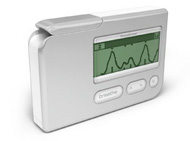 Biofeedback can be applied to any biological response that can be monitored. The appropriate machine is attached to the person and information is then provided to the patient via an auditory or visual signal. For example, one frequently used biofeedback device, an electromyography (EMC), monitors electrical signals from the muscles and converts them into a detectable form, such as a flashing light or a beep, each time the muscles tense. The aim is to slow down the flashing or beeping which is a sign that the muscles are relaxing. You can then learn to relate sensations from the muscle with changing stress levels and develop the skill of holding muscles tense without being attached to a machine. Other biological functions that are commonly monitored and used in a—similar way to help people learn to control their physical functioning are skin temperature, heart rate (measured by an electrocardiograph), blood pressure (measured by a sphygmomanometer), sweat gland activity (measured by galvanic skin response), respiration (measured by a stretch gauge) and brainwave activity (measured by an electroencephalograph). Sometimes biofeedback is used in combination with other therapeutic techniques such as meditation or relaxation.
Who Uses Biofeedback?
Biofeedback is most frequently used to treat problems associated with tension and stress, such as anxiety, sleeplessness, epilepsy, depression, asthma, addictions, high blood pressure, irritable bowel syndrome, incontinence, muscle tension, chronic pain, cerebral palsy, dysphagia (difficulty in swallowing), bromyalgia, back problems and tension headaches. Biofeedback is used in many hospitals with ‘stress management’ instruments most frequently found in psychology departments and the EMG equipment in physiotherapy and occupational therapy departments.
Is Biofeedback Effective?
At first most people view biofeedback with uncertainty. However, research has proved that we can change our involuntary biological responses by being given feedback about what is happening in our bodies, even though the exact mechanism for this is not completely understood. Some clinical and many observational studies have been carried out looking at the effectiveness of biofeedback.
Research into biofeedback for headaches and migraine propose that it is more effective than relaxation alone and that the combination of biofeedback and relaxation is more effective than either therapy alone. Controlled trials have shown that it can be used to relax shoulder muscles and relieve muscle tension in the lower back.
Other studies have shown that people can use it to alleviate incontinence, premenstrual stress, constipation, panic and anxiety.
In one study 80 per cent of individuals with high blood pressure who underwent biofeedback training reduced their prescription medications or no longer required them at all, even after many years of taking pills.
More than 700 groups worldwide are using EEG biofeedback, sometimes called neurofeedback, to treat attention deficit hyperactivity disorder, with reports of major improvements in behavior and a decline in medication requirements.
Research is currently looking into its effects on heart rate and some doctors are using it to treat epilepsy.
A Typical Biofeedback Treatment:
You can purchase a biofeedback machine and train yourself how to use it, but it is best to have a few sessions with a specialist beforehand. The first treatment session takes about an hour during which the practitioner will gather information about your medical history, lifestyle and family history. They will then examine the role of stress in your problem.
Electrodes or probes will then be used to connect you to the biofeedback device and signals, such as beeps, dashes or dial readouts will then return data about the changes in your body. Some of the latest biofeedback devices connect to computers and make use of multimedia feedback including games, animations and music. You will be sitting or lying down during the session. The practitioner will explain how to use the biofeedback machine and to identify signals that indicate relaxation.