Visit our Facebook page

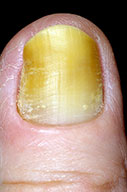
Yellow toenails are typically symptomatic of a nail fungus infection and they are surprisingly common.
There are a number of anti-fungal treatment options available from pharmacists, including chemically and naturally derived applications. However, some toenail fungus home remedies are equally effective and an inexpensive option for many people.
Onychomycosis
The fungus responsible for yellow toenails is known as onychomycosis and it is estimated that 50 percent of people will be affected by this disease at least once in a lifetime.
Onychomycosis is a progressive disease that usually goes ignored because the symptoms do not cause pain in the early stages of infection. Fungus infections are highly contagious and thus easily spread from one person to another, either through direct contact or indirectly when coming into contact with an effected area, such as a public shower. Whilst public showers are a common source of infection, so too are locker rooms, gyms and nail salons with poor sterilization practices.
 There are a number of risk factors that make some people more prone to onychomycosis infection than other people.
Anyone who sweats excessively or wears socks and footwear that don’t allow the feet to breath is at high risk of fungal infection. People with diabetes, psoriasis, poor circulation or impaired immune systems are more likely to succumb to fungal infections, as are people who live and/or work in high humidity environments. Also, the older a person is, the more likely they are to contract the disease as it typically doesn’t bother young children or adolescents.
Located just below the snail surface, the initial infection stage can last for several years. This allows the fungus ample time to grow and spread. Common onychomycosis symptoms include yellow toenails, hardening or thickening of the nail, a foul odor, splitting of the nail or surface pitting and the appearance of the nail crumbling or debris consolidating under the nail.
The fungal infection causes these symptoms because onychomycosis feeds on keratin. Keratin is the protein that gives toenails their strength and structure. Once the keratin is removed from the nail, the nail begins to breakdown.
There are a number of measures that can be taken to minimize the chance of infection. Simple practices such as thoroughly drying feet before putting on socks and shoes and not walking barefoot in public environments that are moist and damp with limited ventilation (such as public showers) will help. It is a good idea to avoid sharing towels, socks and shoes to minimize exposure from an infected person. Also, avoid wearing synthetic socks and shoes as these stop feet from breathing and create an environment favourable to fungal growth. It is also recommended to not wear the same footwear daily.
Final Word on Yellow Toenails
It is important to see a medical practitioner if a fungal infection is suspected to ensure proper diagnosis. This is because not only are yellow toenails unsightly, they are also painful if left untreated. If the infection continues to spread the toe can become tender and painful. Unfortunately, it isn’t possible to simply cure the infection by letting the toenail grow out. Once professionally diagnosed the infection must be properly treated.